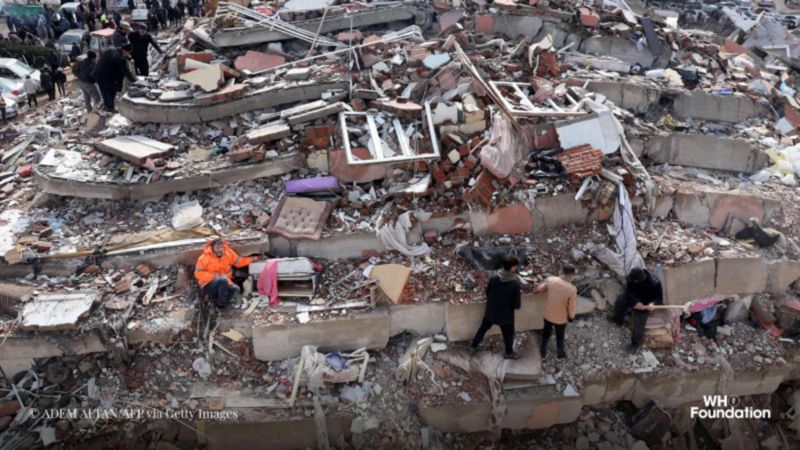
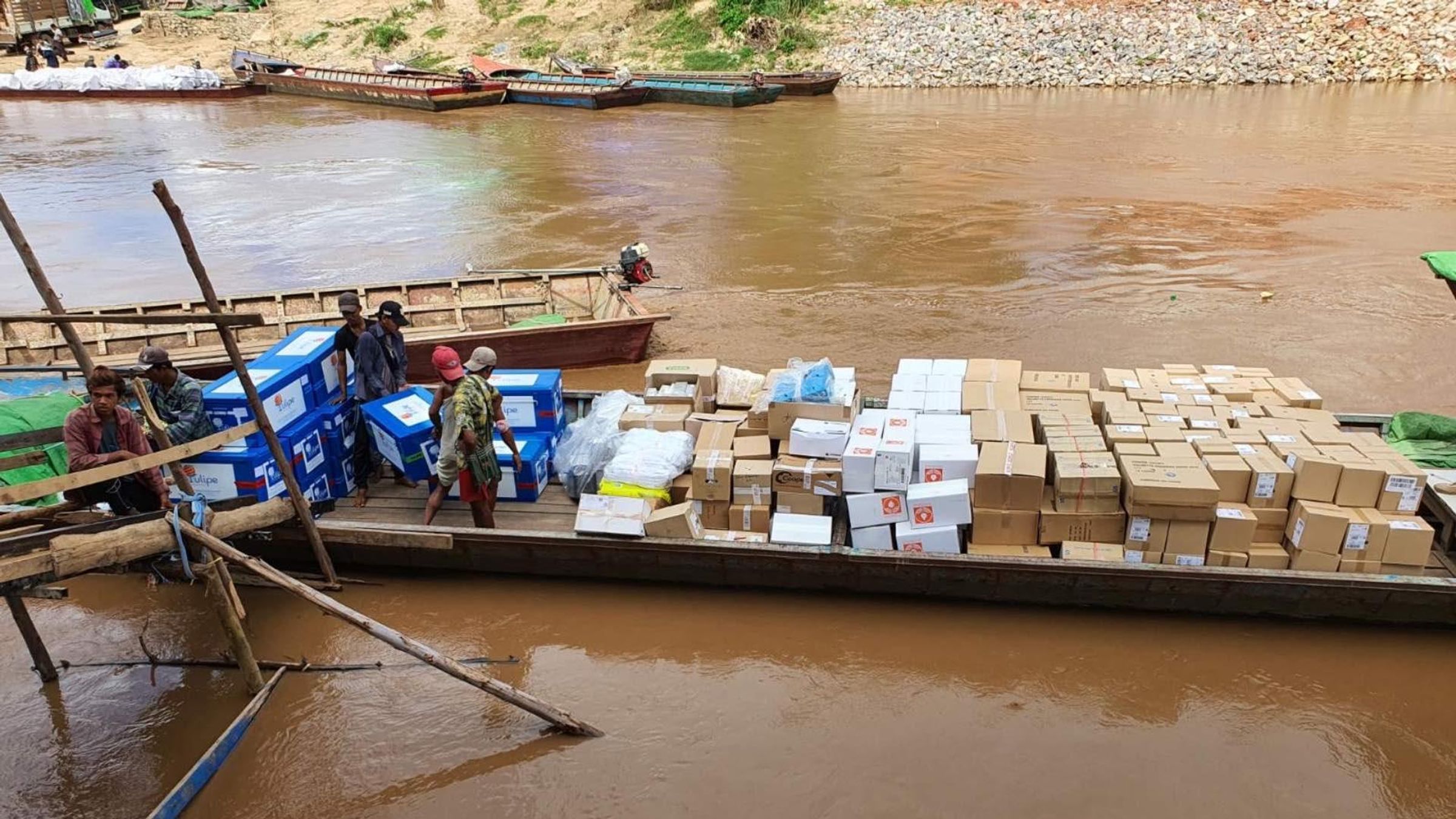
Building on a proven track record in emergency response, we leverage innovative product donation programs and emergency mechanisms to address humanitarian crises at every scale - from large-scale international emergencies to localized crises in communities close to home. We redirect medicines into life-saving humanitarian opportunities, advance the World Health Organization's goal of eliminating sleeping sickness by 2030 and provide rare disease patients with vital donations and supportive care. By building humanitarian capacity and empowering organizations to anticipate and address needs before they become crises, the Sanofi Foundation establishes itself as a trusted reference in the global humanitarian health ecosystem. Whether responding to natural disasters, conflict or health emergencies, our approach centers on building resilient systems that protect the most vulnerable while strengthening local capacity for long-term preparedness and response.
Emergency Response & Humanitarian Relief
The threats of humanitarian crises are rising. Displaced populations are growing as communities flee climate disasters, war, persecution and violence. Sanofi Foundation is designed to strategically pivot and respond at every scale - whether it's a village of 100 families devastated by floods or one teenager in a remote community suffering from a rare disease. We break down silos to collectively deliver the greatest impact for those facing crisis, with a deliberate focus on transitioning from reactive relief to proactive, anticipatory response.
As an inaugural member of the World Health Organization Foundation's Health Emergencies Alliance, we have developed emergency preparedness protocols and built the infrastructure to respond faster and more effectively. Our collaboration with a vast global network of partners - including PQMD (Partnership for Quality Medical Donations), Tulipe, the ICRC (International Committee of the Red Cross), Direct Relief, Anera, Ordre de Malte and various ministries of health - extends our reach and amplifies the effectiveness of every donation.
Our Rare Disease Commitment
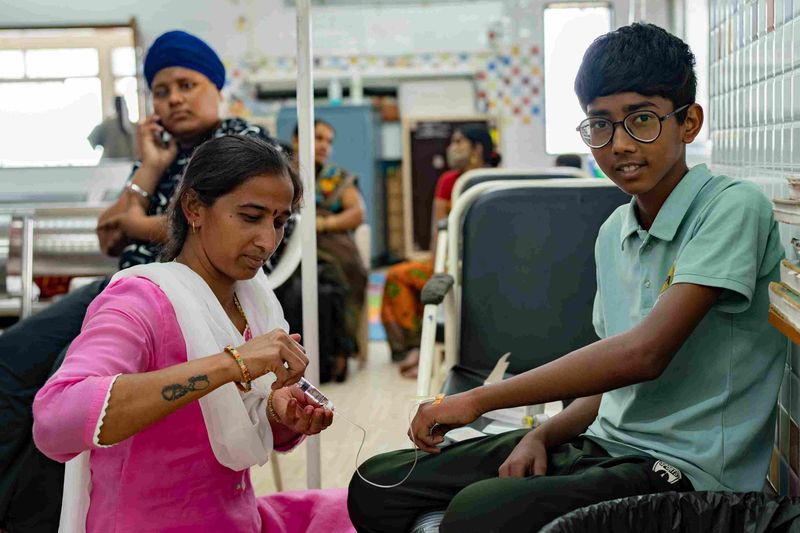
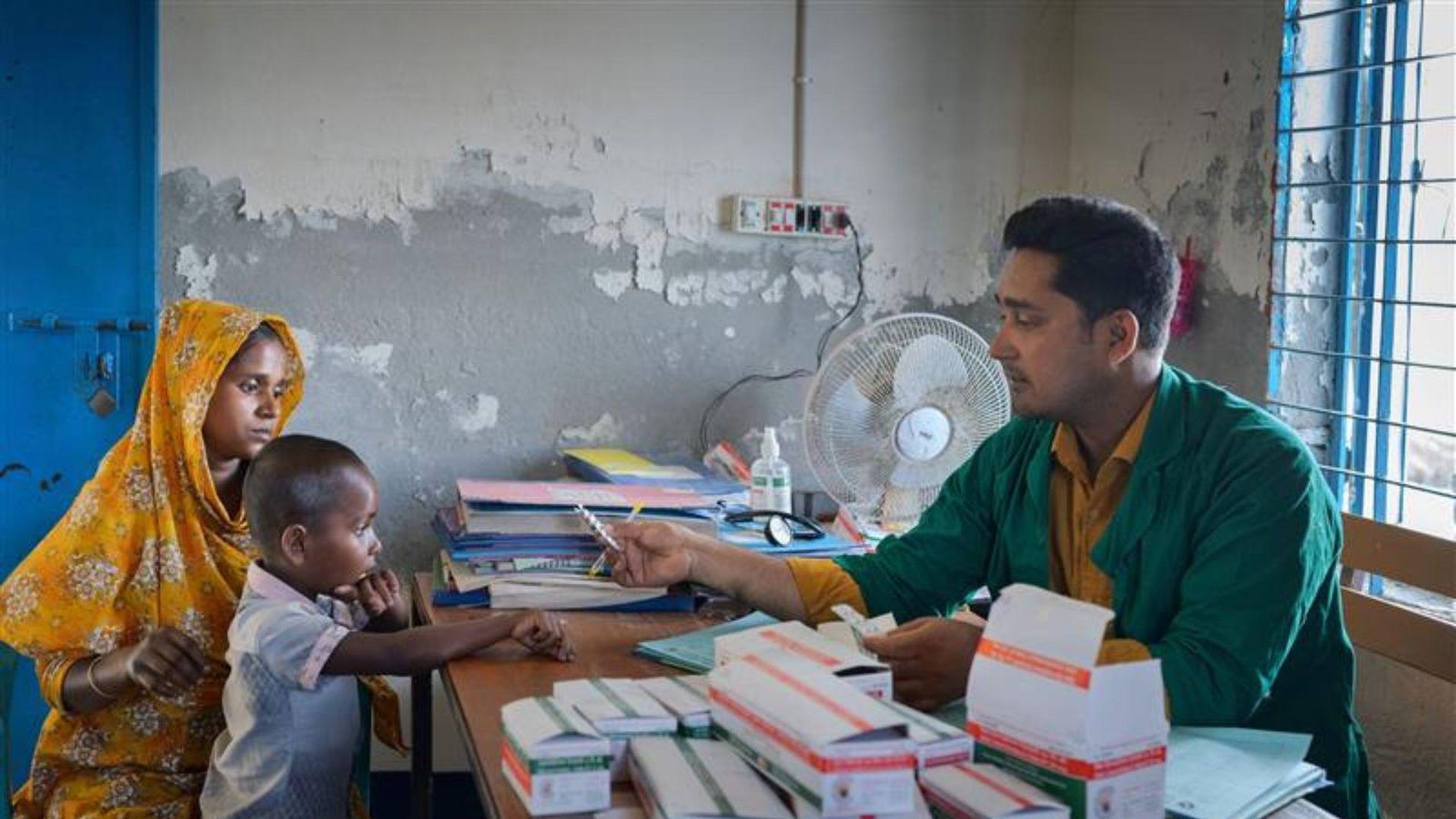
No young person should be denied life-saving treatment due to geography, background or economic resources. For 35 years, Sanofi's Rare Humanitarian Program - the first and longest-running initiative of its kind - has supported 4,000+ patients with lysosomal storage disorders across six continents in 110+ countries. We provide treatment access based on demonstrated medical need across Gaucher, Fabry, Pompe, Acid Sphingomyelinase Deficiency (ASMD) and mucopolysaccharidoses (MPS) types I and II.
Additionally, through our founding visionary partnership with the World Federation of Hemophilia’s Humanitarian Aid Program, alongside Sobi, we help provide up to 100 million units of therapy annually to people living with hemophilia in developing countries.
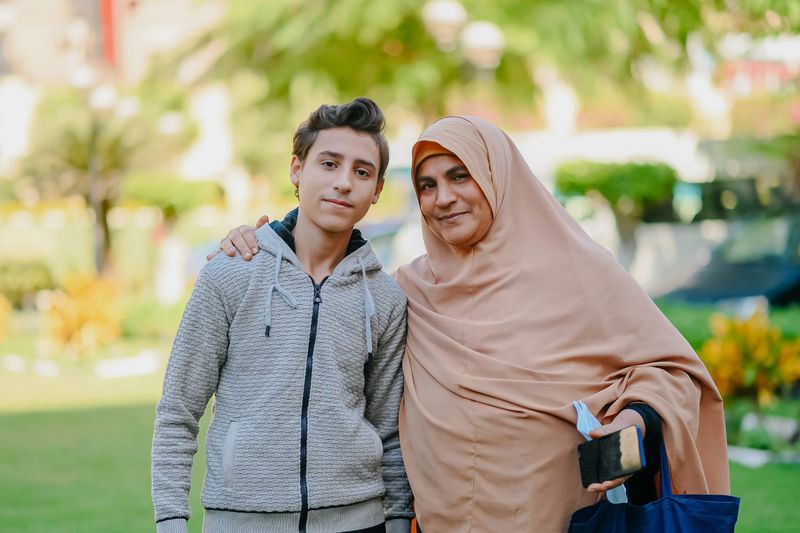
Through partnerships with patient organizations and governments, we build provider knowledge and strengthen sustainable healthcare systems. Because of this work, thousands of patients have been able to celebrate more birthdays, more graduations, more milestones - more of the moments in life that matter most.
A Legacy Commitment: Eliminating Sleeping Sickness by 2030
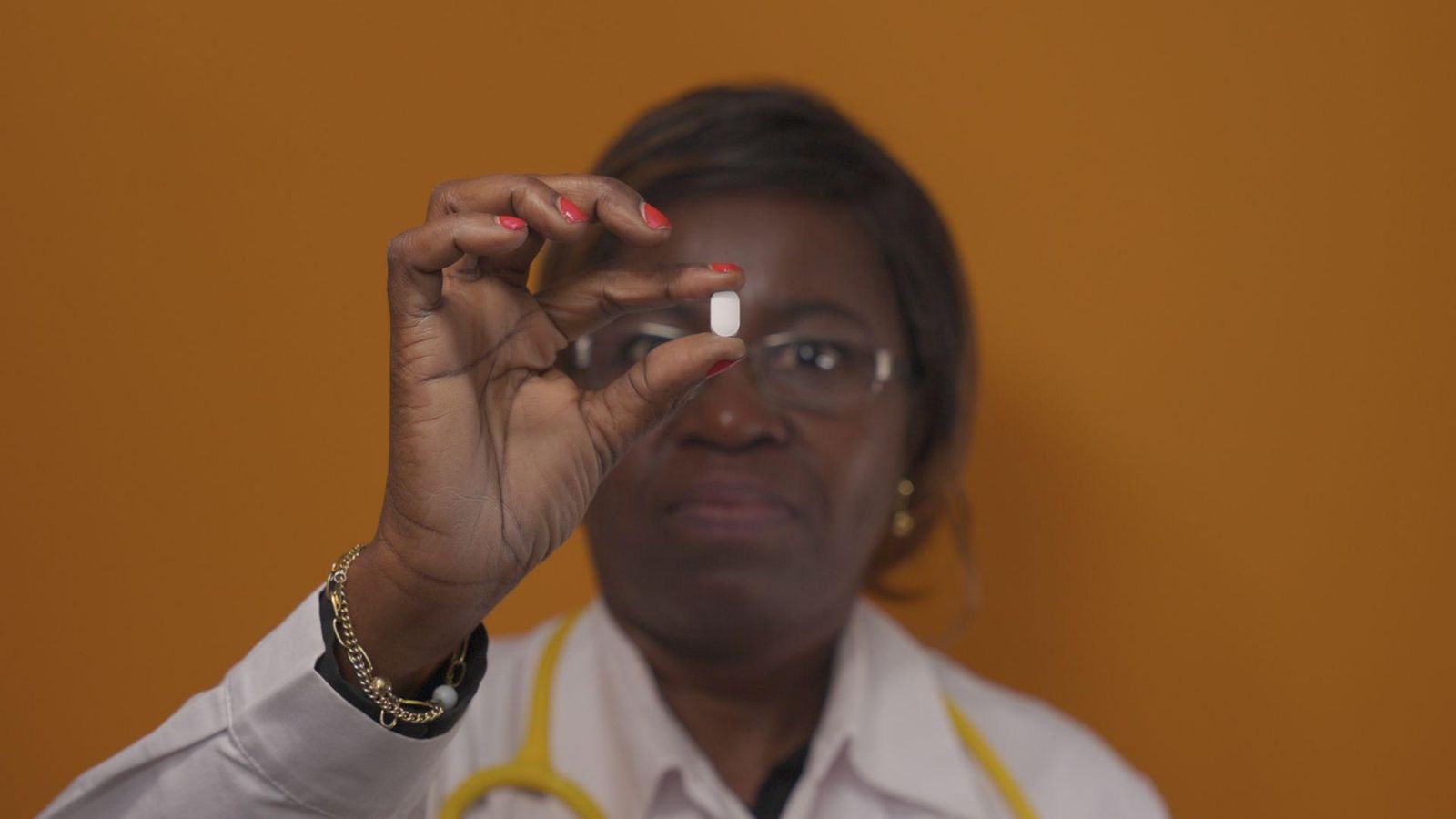
Through long-standing partnerships with the WHO (World Health Organization), DNDi (Drugs for Neglected Diseases initiative) and Sanofi, we’ve achieved a 98% reduction in sleeping sickness cases since 2001, with 12 countries having now eliminated the disease. With the first one dose oral treatment recently obtaining a positive EMA opinion from EMA and RDC Health Authority approval, completing this mission and reaching full elimination by 2030 is within reach. This successful public-private-philanthropic collaboration has combined innovation, capacity building and community empowerment – reaching communities most in need and delivering breakthrough to the worlds most neglected patients.
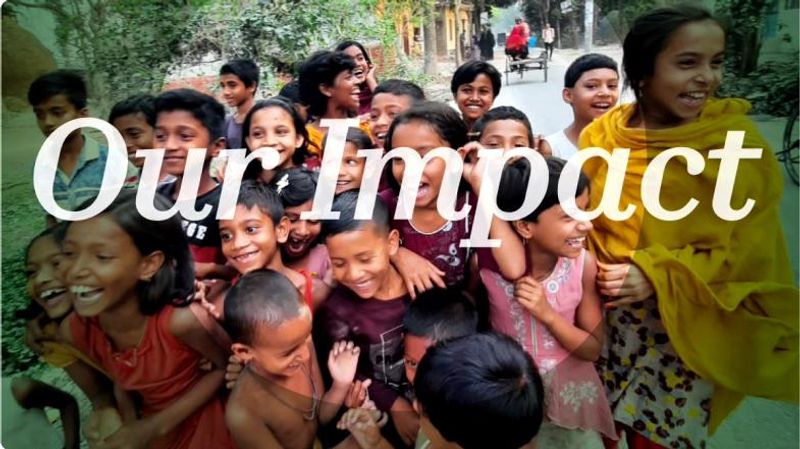
Our Impact:
25 Million
patients reached through emergency response
Related Content
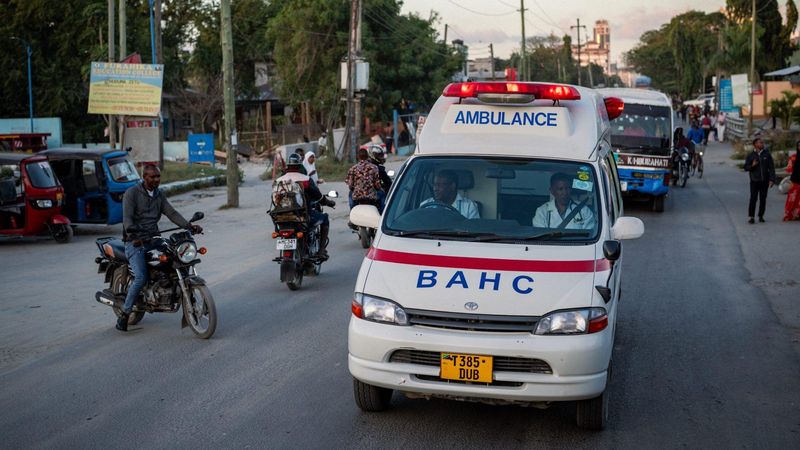
NEW Health Emergencies Alliance
The WHO Foundation launches the Alliance for businesses around the world.